NJS OS — v1.0

Joël-Steve NIKENOUEBA
CTO • Software Architect • Backend Engineer • Entrepreneur
I build software that holds under load.
Who I am
What I do, how I got here, and what I am looking for now.

Chief Technology Officer at KevMax since 2023. I lead three areas — backend, frontend, DevOps — and own product architecture, from the first database schema to production.
I joined in 2018 as a backend intern. Developer, then project manager, then CTO: each step taught me something the previous one could not — chiefly that an architecture a team cannot maintain is not a good architecture.
Python and FastAPI first, microservices and Docker next, team leadership last. Today I also build my own products: what interests me are problems concrete enough to be measured and big enough to be worth several years.
8
Years of experience
3
Years as CTO
3
Technical areas led
15+
Technologies in production
What guides my decisions
Leadership
Leading means creating the conditions where a team does its best work — not deciding in its place.
Discipline
Execution discipline beats the idea. A system held over time always beats a one-off brilliance.
Innovation
Look for the simplest solution that truly solves the problem, not the most impressive one.
Impact
I don't just build software: I build solutions that create value.
My journey
From backend intern to chief technology officer, in the same house. Each step changed the scope, not just the title.
Roles
Oct. 2026 — present
CurrentAdministrative & Financial Assistant — Internship
Change Akademy · Remote
Three-month internship in administrative and financial management: budget tracking, accounting documents processing and internal process coordination.
- Budget tracking and accounting reconciliations
- Processing and filing supporting documents
- Administrative coordination and internal reporting
ExcelGoogle WorkspaceNotionOct. 2026 — present
CurrentProject Manager
SOTECH · Remote
End-to-end technical project management: scoping, planning, deliverable tracking and stakeholder coordination.
- Functional scoping and requirements writing
- Agile planning and sprint tracking
- Technical team coordination and client reporting
TrelloGoogle WorkspaceSlack2023 — present
Chief Technology Officer
KevMax SARL · Yaoundé, Cameroun
Leading three areas — backend, frontend, DevOps — and owning product architecture, from the first schema to production.
- Designed and deployed microservice architectures and RESTful APIs
- Built DevOps pipelines and automated deployments
- Ran Agile / Scrum cadence across the teams
- Oversaw Flutter mobile development and its backend integration
PythonFastAPINestJSNode.jsDocker SwarmPostgreSQLFlutter2022 — 2023
Back-End Developer & Project Manager
KevMax SARL · Yaoundé, Cameroun
The move from doing to coordinating: leading backend and frontend teams, and owning delivery timelines.
- Sprint coordination and priority arbitration
- RESTful API and microservice design
- Docker / Swarm orchestration tuning
PythonNode.jsNestJSFlaskDockerSQL2019 — 2021
Back-End Developer
KevMax SARL · Yaoundé, Cameroun
The craft years: APIs, microservices, databases and deployment. Where architectural reflexes are formed.
- Built RESTful APIs and microservice architectures
- Designed and administered SQL and NoSQL databases
- Integrated WooCommerce / WordPress e-commerce with the backend
- CI/CD pipelines and test automation with the DevOps team
PythonFlaskNode.jsDockerPostgreSQLMySQLGit2018 — 2019
Back-End Developer — internship
KevMax SARL · Yaoundé, Cameroun
First real production code. Debugging, incidents, documentation — the part of the job school does not teach.
- RESTful APIs in Python / Flask and first microservice architectures
- SQL database tuning
- Incident resolution and technical documentation
PythonFlaskSQLGitApril — June 2018
Full Stack Developer
Uni2Grow SARL · Dschang, Cameroun
The starting point, and the only Java full stack role of the journey. Useful for learning what you do not want to do.
- Interactive responsive front-end in Angular / TypeScript
- Back-end services and RESTful APIs in Spring Boot / MVC
- Authentication and authorisation via Spring Security
AngularTypeScriptSpring BootSpring SecuritySQL
Education
2019 — 2020
Technological Bachelor — Internet Network Development and Design
IUT-FV Bandjoun · Bandjoun, Cameroun
Network administration, backend and frontend development, databases and Internet protocols.
2018 — 2019
Two-year technical degree — Software Engineering
IUT-FV Bandjoun · Bandjoun, Cameroun
Object-oriented programming, application design and development best practices.
What I know how to assemble
An isolated skill proves nothing. What matters is how they hold together — hover a domain to see what it connects.
The core of the craft. Python first, the rest driven by project needs.
- Python8 yrs
- FastAPI4 yrs
- Flask7 yrs
- Node.js6 yrs
- NestJS4 yrs
- Spring Boot2 yrs
- Ruby on Rails2 yrs
Backend
The core of the craft. Python first, the rest driven by project needs.
PythonFastAPIFlaskNode.jsNestJSSpring BootRuby on Rails
Frontend
Enough to design an API’s surface and to arbitrate with a front-end team.
TypeScriptReactNext.jsAngularFlutter
Data
Modelling, indexing, integrity. The part you pay the most for when it is rushed.
PostgreSQLMySQLMongoDBRedis
Architecture
Splitting a system without shattering it. And knowing when not to split it.
REST APIsGraphQLMicroservicesAI integration
Infrastructure
What separates a project that runs from a project you can ship weekly.
DockerDocker SwarmCI/CDLinuxGit
Leadership
Three areas, short cycles, and decisions owned in writing.
Team managementAgile / ScrumTechnical arbitrationMentoring
My work
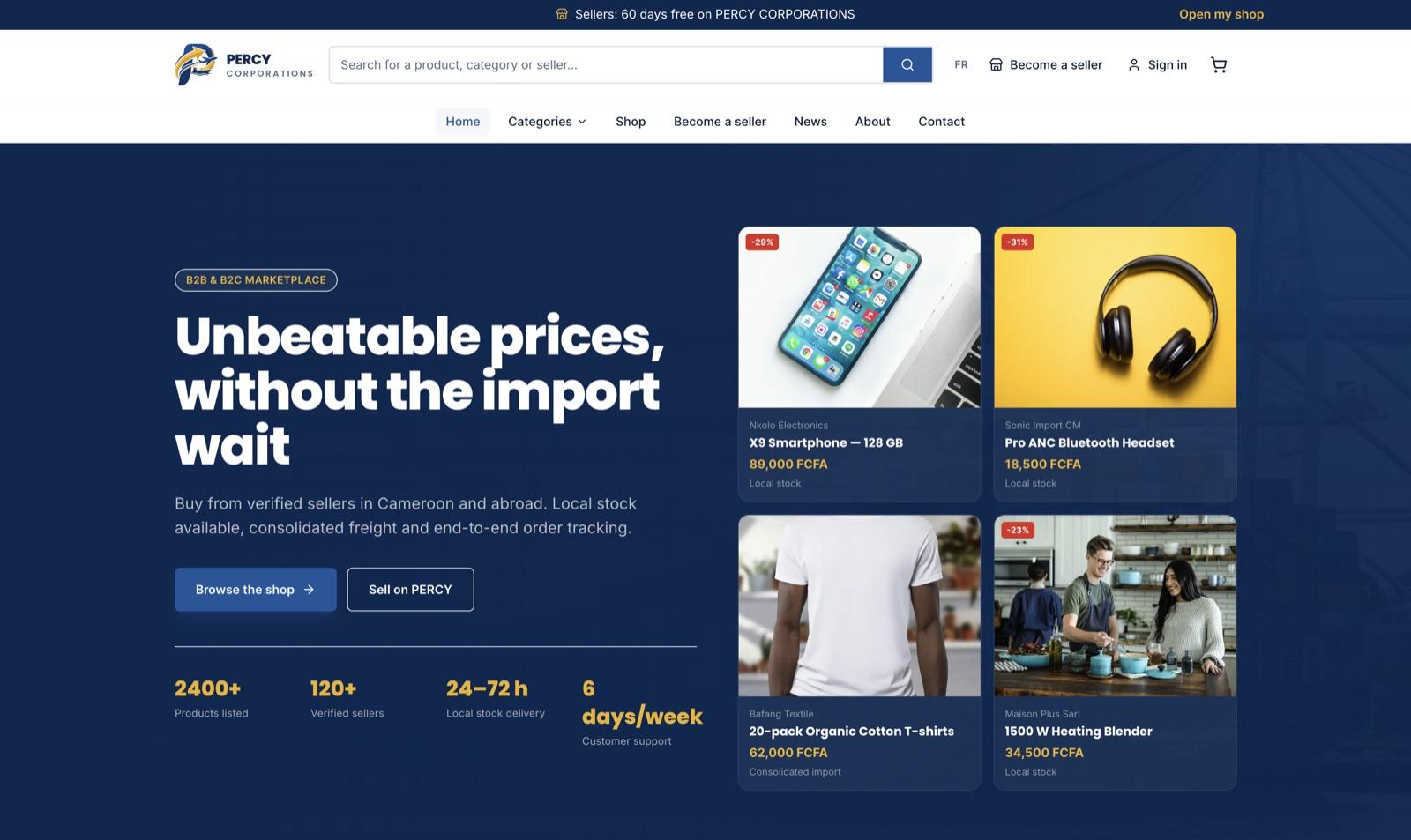
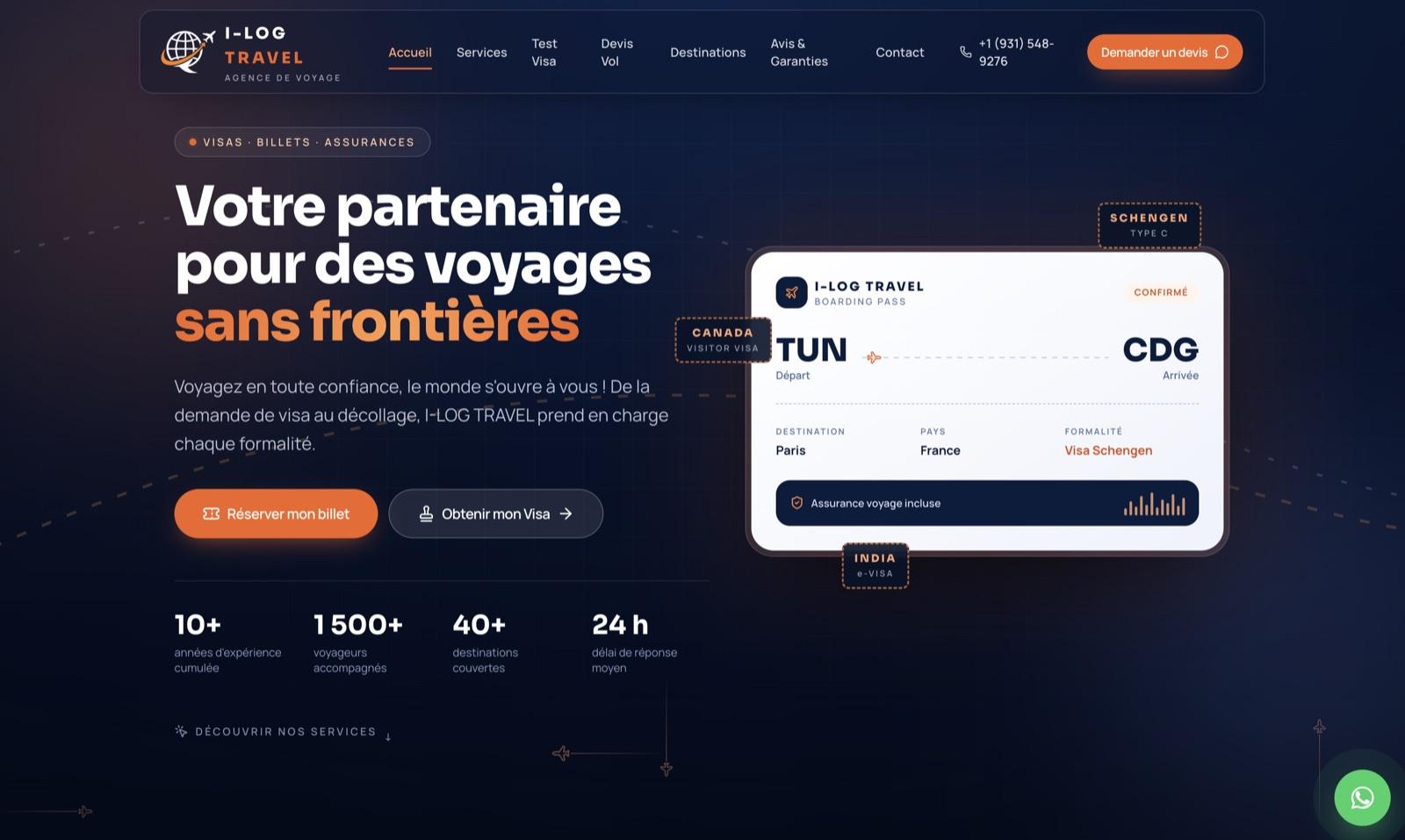
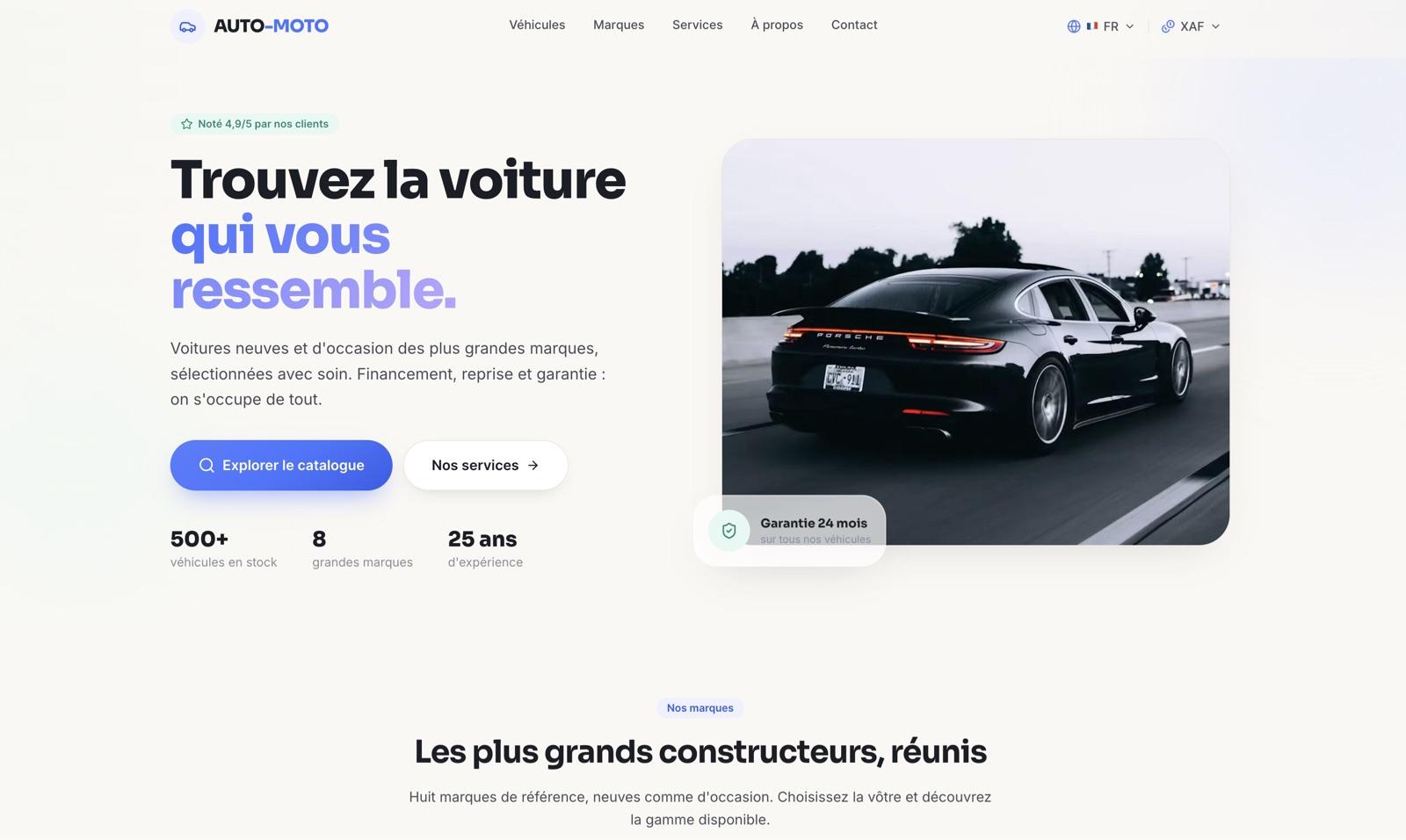
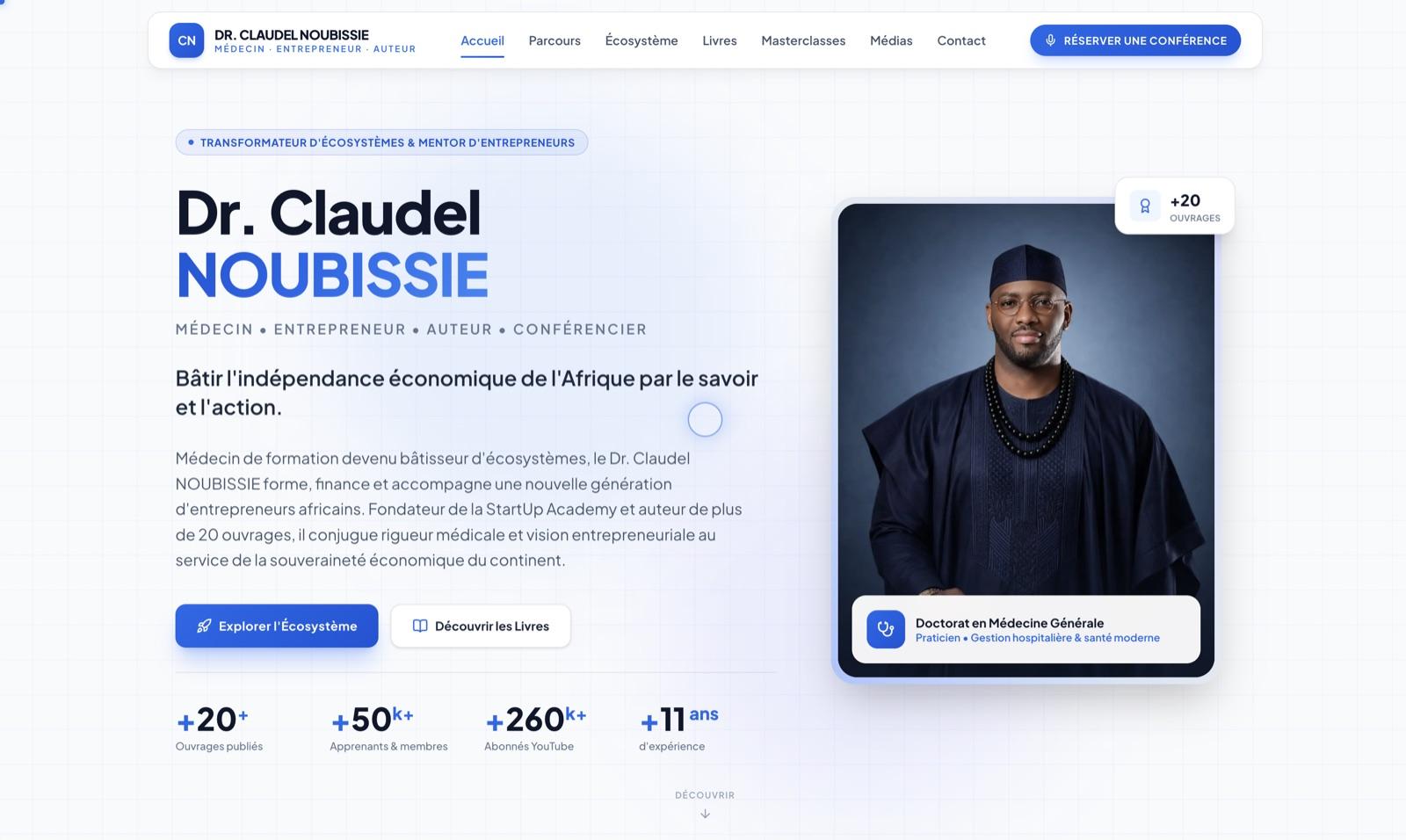
For each project: the problem, the constraint, the trade-off and the result. The rest is decoration.


How I lead
Seven pillars. None of them is about technology — that is exactly the point.
Three areas — backend, frontend, DevOps — each with a named owner. The split follows real technical boundaries, not the org chart.
- One owner per area, a single accountable person per topic
- No team above six people — beyond that, coordination costs more than it returns
- Architecture decisions are made by at least two people, never alone
My laboratory
What is in progress, not what is finished. The status comes before the title.
In progress
NJS OS
This site. A portfolio designed as a personal operating system: eight modules, a command palette, a design system documented before the first line of interface.
Next.js 16Three.jsDesign system
Research
Business-applied AI agents
Automatic project breakdown and estimation from a specification, with a deterministic fallback when the model is unavailable. First applied in the internal CRM.
Claude APISortie structuréeRepli déterministe
Prototype
Hybrid search over business data
Search combining PostgreSQL full-text and pgvector similarity, to query a business corpus in natural language without leaving the database.
pgvectorPostgreSQLEmbeddings
In progress
NJS Nexus in-house stack
A shared foundation — NestJS API, Next.js front, admin console, Flutter mobile — reused across ventures. Goal: start a product in days, not months.
NestJSNext.jsFlutterMonorepo
Planned
Writing about the craft
A series of essays on what training does not teach: arbitrating a deadline, hiring without mistakes, maintaining a codebase you did not write.
LeadershipArchitectureRetours d’expérience
Planned
Training African backend engineers
A short, demanding programme on Python, APIs and deployment — built on the mistakes I made, not on an imported curriculum.
PythonFastAPIDevOps
My writing
What I learn while leading and building. Few articles, none of them padded.
Where I'm going
Four milestones. Dated, verifiable objectives — not wishes.
Consolidate
Ship the products under construction and prove they hold in production, with real users.
- WeMovA Connect in production, with its first users
- The internal CRM as the daily management tool of NJS Nexus
- This portfolio online, with projects documented down to their results
2026
Consolidate
Ship the products under construction and prove they hold in production, with real users.
- WeMovA Connect in production, with its first users
- The internal CRM as the daily management tool of NJS Nexus
- This portfolio online, with projects documented down to their results
2027
Structure
Move from a set of projects to a company that runs without being present in every technical decision.
- A team able to ship without systematic technical sign-off
- A first profitable product, outside consulting
- A written, proven hiring and onboarding method
2030
Expand
Move beyond the Cameroonian market without losing the difference: products designed for the African context, not adapted from elsewhere.
- Effective presence in three AfCFTA countries
- Nexus Pay interoperable with regional payment rails
- Around thirty engineers trained in-house
2035
Pass on
What will remain is not the code, but the people able to write it. Training becomes the main activity.
- A continent-scale backend engineering training programme
- A technology group independent of its funders
- A book on technical leadership in an African context
« I don't just build software. I build solutions that create value. »
Let's work together
A project, a role, an architecture question — write to me. I reply within 24 hours.

Direct channels
- Emailjnikenoueba@gmail.com
- WhatsApp+237 672 332 158
- Phone+237 672 332 158
- LinkedInlinkedin.com/in/joel-steve-nikenoueba
- GitHubgithub.com/leducnikos
- GitLabgitlab.com/leducnikos
Yaoundé, Cameroun — Remote worldwide
Reply within 24 h
Or leave a message
Your details are used only to reply to you. No mailing list, no outreach.